
BLOG
Featured
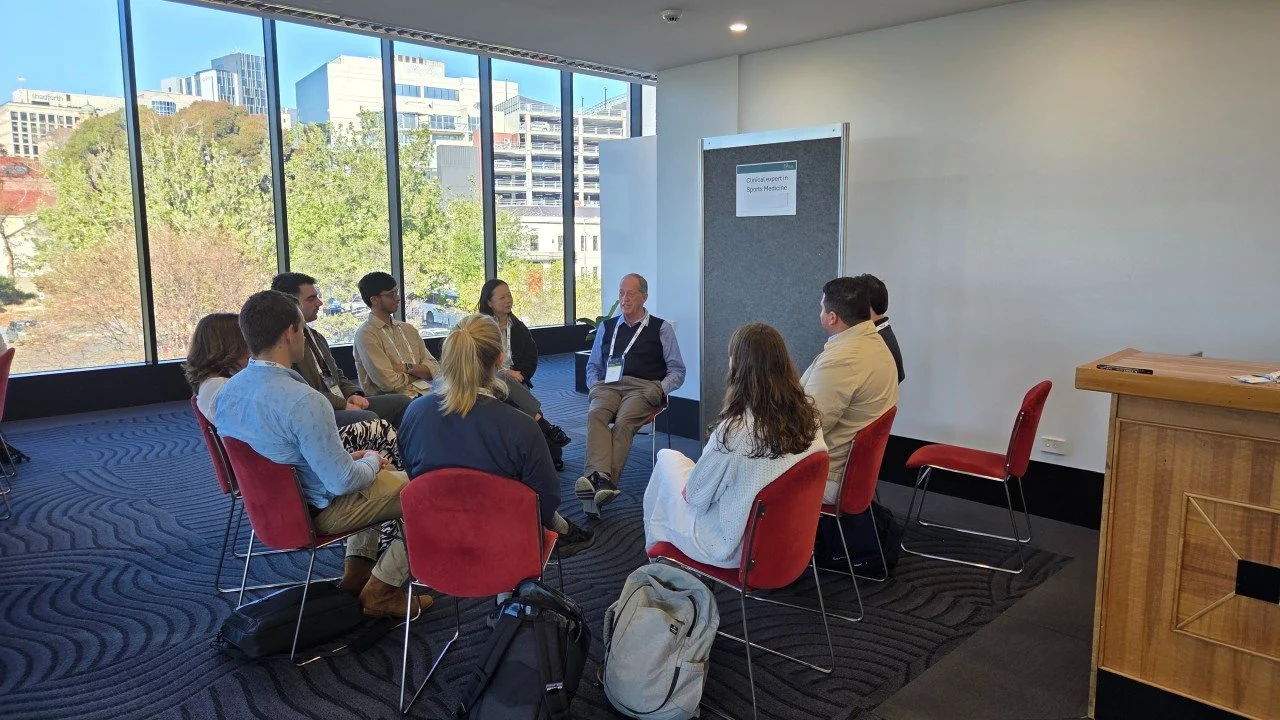
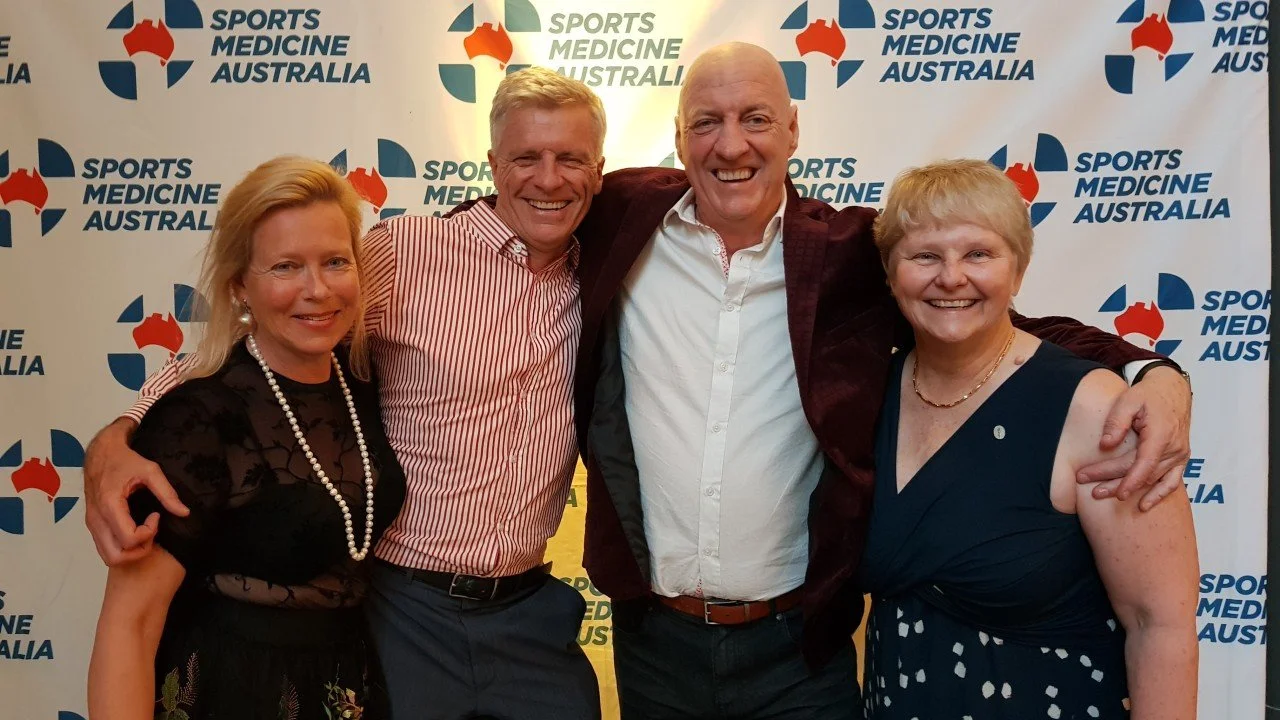
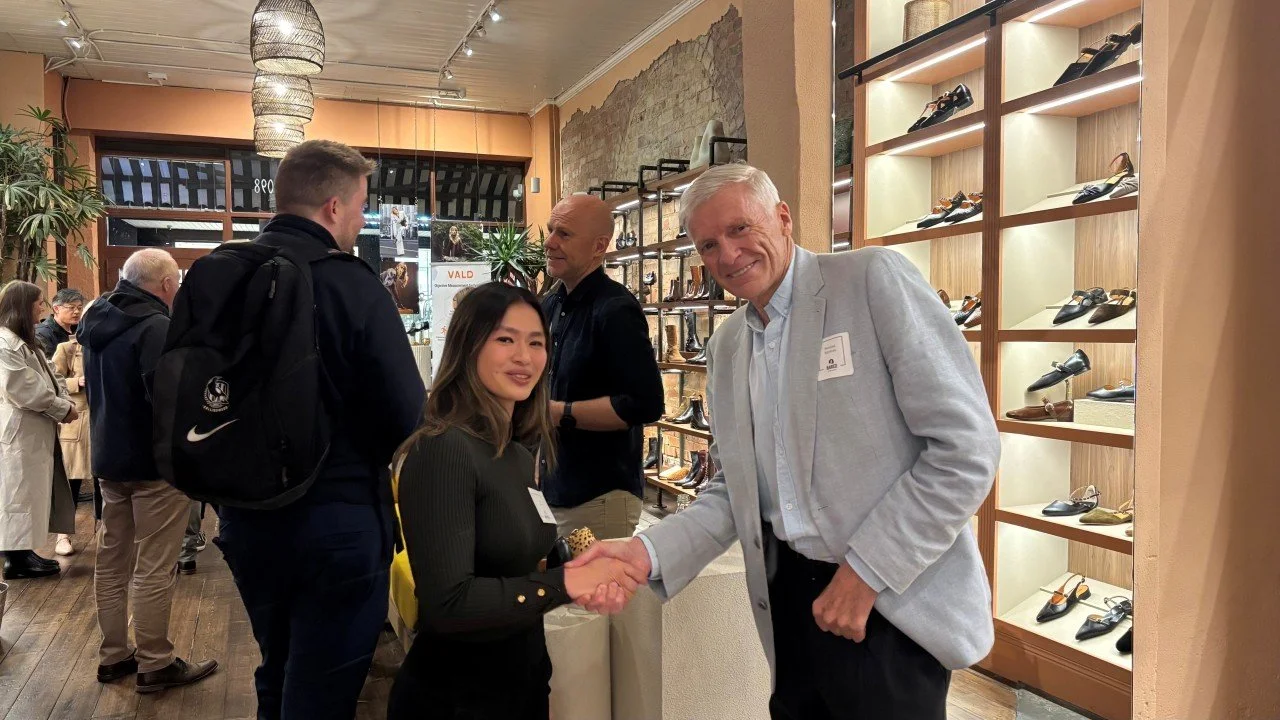
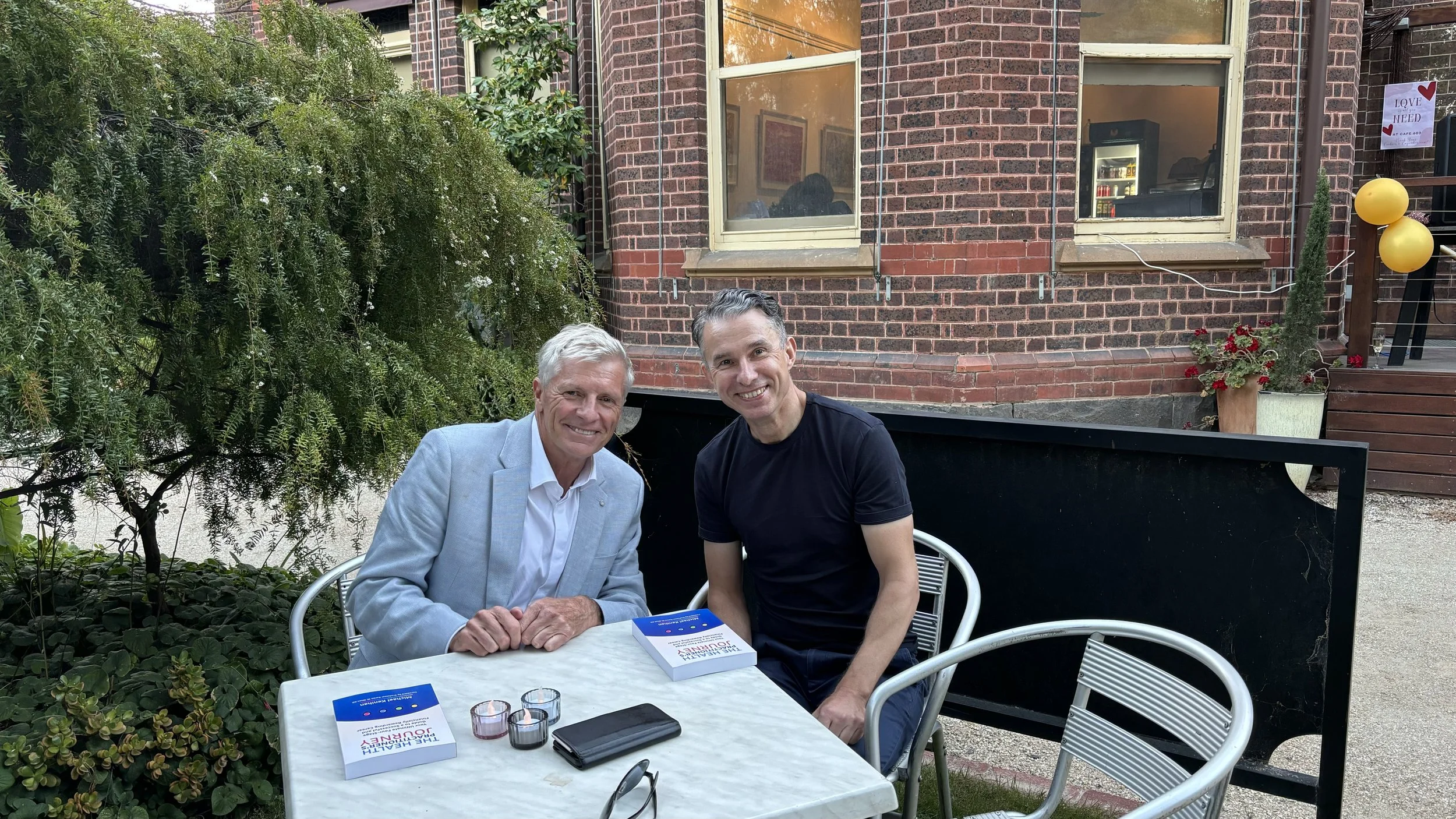


As facilitator of this careers event on behalf of SMA, I am able to introduce some leaders in their profession to talk about their Health practice journey and how they developed a career in the practice of Sports Medicine, including clinical practice, sports team involvement, administrative positions and research.
I recently delivered a lecture online with Dr Anita Green to the SMA student network, where we covered some important topics that are key elements of building a career in Sports Medicine. Dr Green, like myself, is a past President of SMA and is committed to helping develop career opportunities for young clinicians of all SM disciplines.
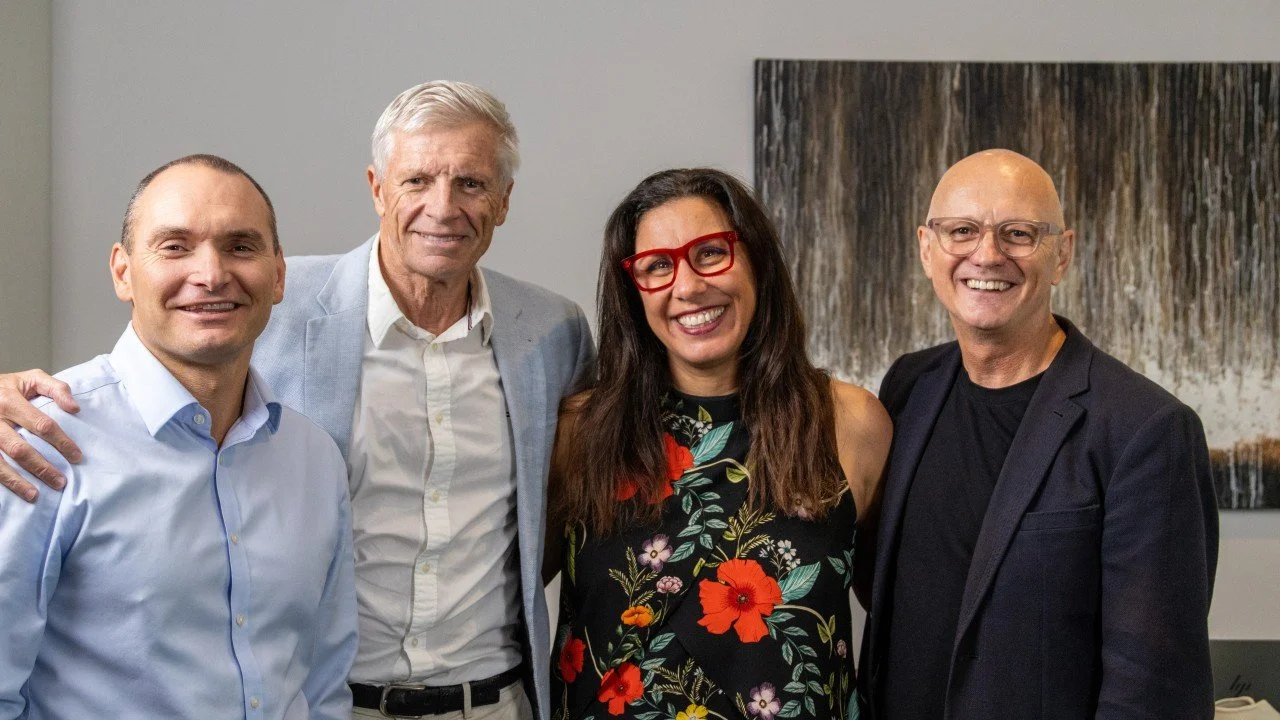
With YM3 CEO Anna Yerondais, I recently conducted a culture and performance workshop on behalf of YM3. My involvement with YM3 is as a Director. YM3 is an independent advisory firm that helps leaders realise their organisation's potential.
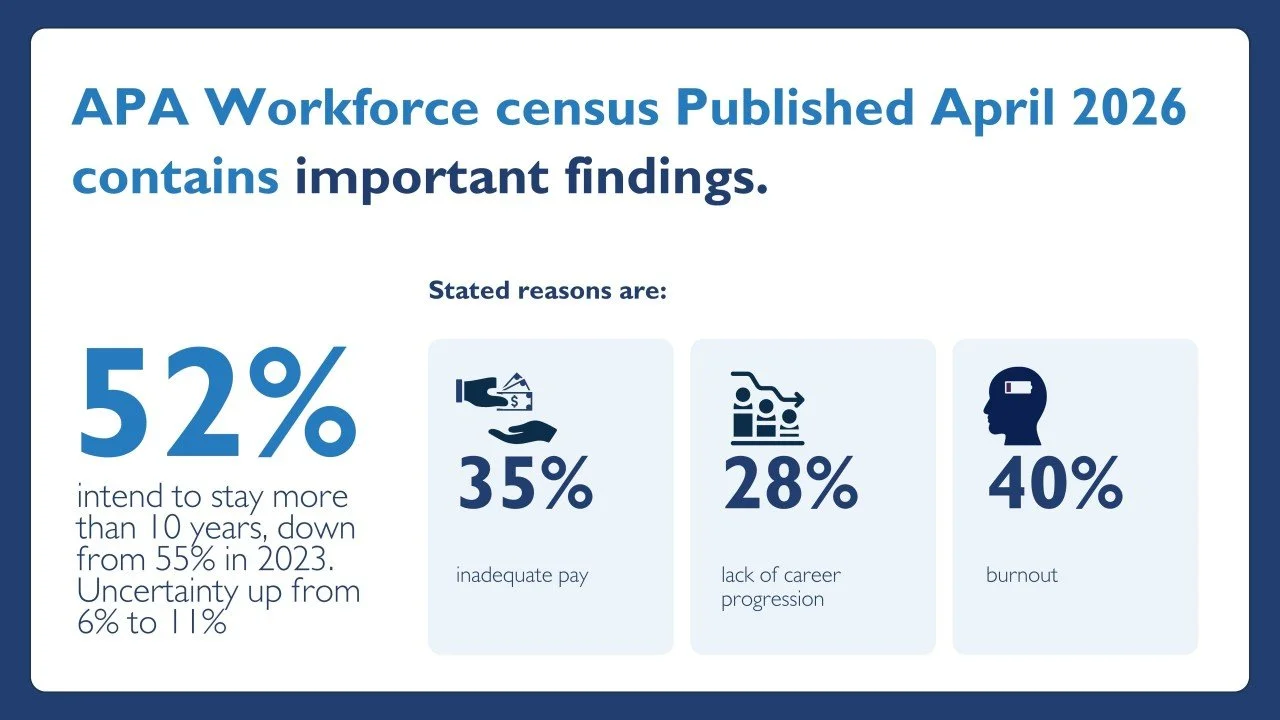
The 2025 APA Workforce Census reveals concerning trends: pay dissatisfaction up to 60%, rising burnout among early-career women, and a shrinking sense of career progression for intermediate practitioners. I break down what the data shows and what the profession needs to do about it.
A few weeks ago I spoke at the Learn.Physio roadshow in Melbourne about what makes a clinic genuinely valuable, and left reminded that it comes down to relationships and culture, not shortcuts.
Most clinicians are good at their craft. Far fewer are good at persuasion.
To be a successful practitioner you need more skills that clinical excellence.
Years ago I picked up Robert Cialdini's work on social influence and it genuinely changed how I thought about practice-building. Like most good things, his principles are simple; a handful of well-researched principles that explain why people say yes.
Things like why a full appointment book makes your practice more attractive, not less. Why a handwritten thankyou note can be worth more than any marketing spend. And why the words "most of my patients do it this way" can impact how people make decisions.
I've written up the six principles with specific examples for health practitioners. If you've ever wondered why some clinicians always seem to be in demand while others with equal skills aren't, may be worth a read
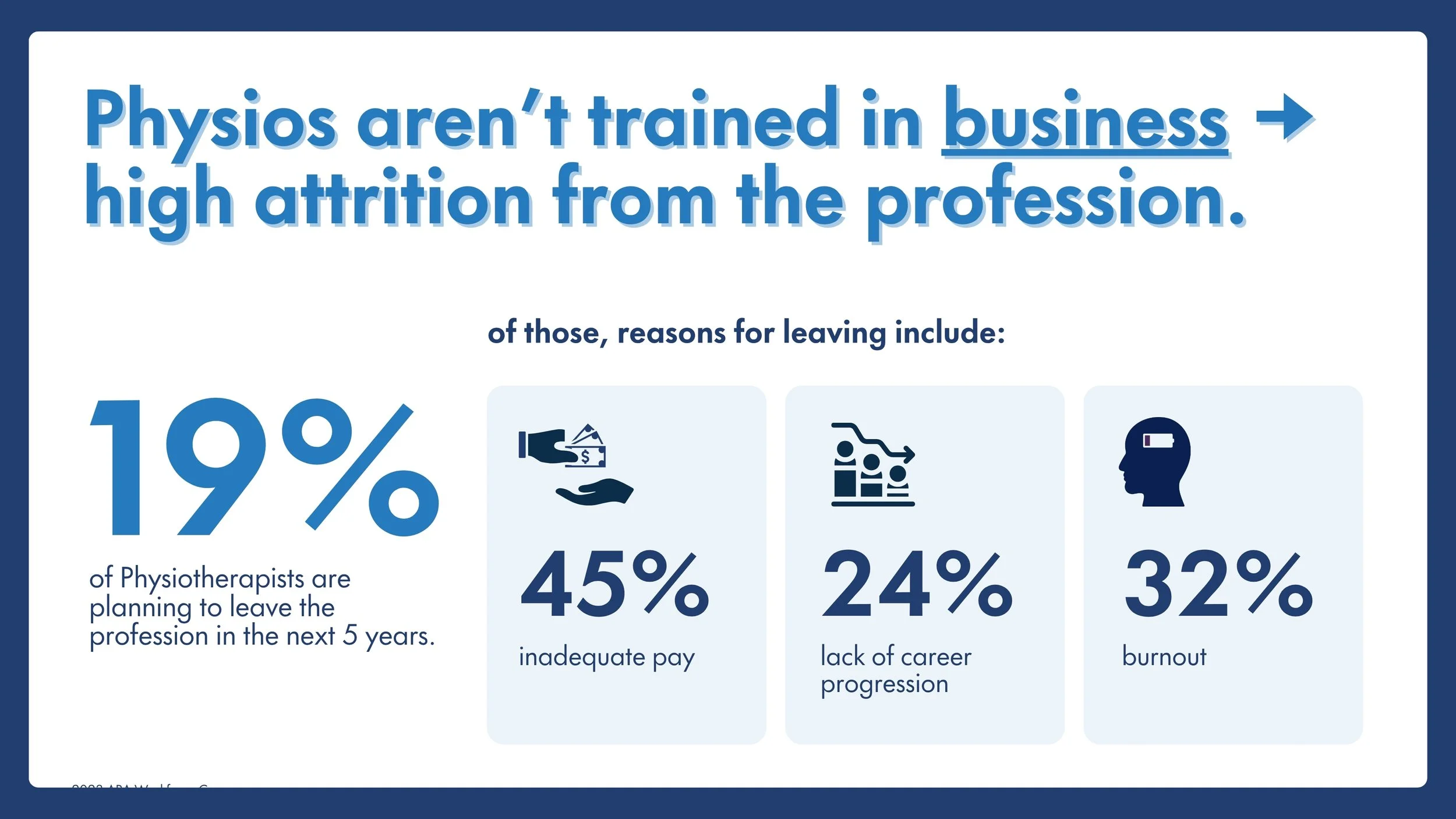
The Allied Health professions have a challenge. Retaining Physios and others in clinical practice is a key issue as the slide above demonstrates. If 19% of Physios are looking to leave the profession in the next five years we need to consider what we can do to arrest that loss of well trained professionals.
Do you have a post-graduation career journey plan?
Graduation is only the start of a great journey! Any journey needs a plan! In part two of this article I will look at how you can develop referrer relationships, and a referral base, the importance of volunteering to learn, some of the concerns and issues that new grads face and a summary of the key considerations for new grads.
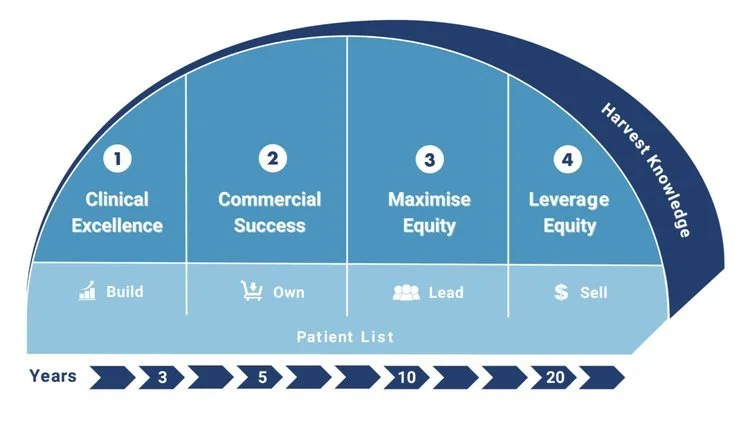
Graduation is only the start of a great journey! Any journey needs a plan! What you do next after graduation is detailed in this article with some of the considerations from my book “The Health Practitioners journey” This article will help you approach the early years with an effective plan!
Managers and business owners are always looking to assist their people to improve their performance. Maybe we should shift gears a little and consider how we can lead performance rather look at managing performance via a review.
Let me know what you think.
Best MK